
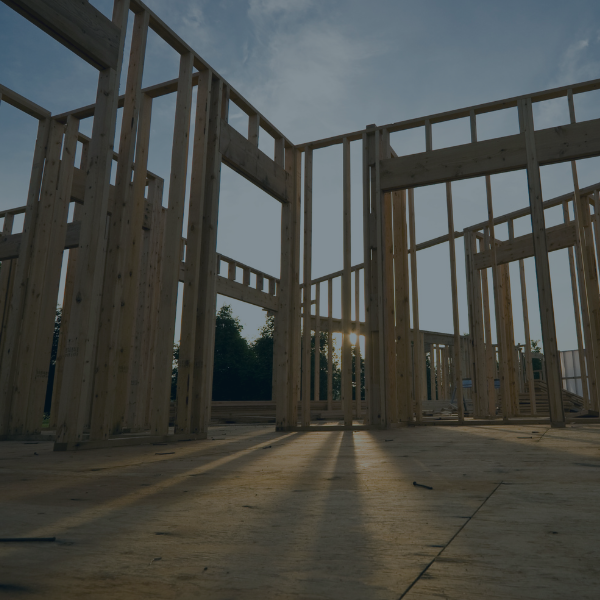
In Cleveland, empty buildings are more than just places no one uses. They’re reminders of businesses and families that used to be there. But these buildings still matter. They have stories, and with the right support, they can help bring something new and good to neighborhoods.
Back in 2015, a survey by the Western Reserve Land Conservancy found that roughly 8% of the city’s buildings were sitting empty. Another 18% were just empty lots with nothing on them. That’s a lot of unused space. However, in the last 10 years, local, state, and federal leaders have worked harder to bring these places back to life.
Today, more tools are available to help transform abandoned buildings into homes, businesses, and community spaces. For cities like Cleveland and related communities, these programs create significant opportunities for revitalization.
What Are Opportunity Zones?
In 2017, the federal government created something called Opportunity Zones. These are designated areas where investors can get tax breaks if they help improve the neighborhood. The program’s goal is to attract private sector investments to revitalize economically challenged areas, including Cleveland, by transforming abandoned properties into homes, businesses, and community spaces.
If someone sells a stock or property and makes money from it (called a capital gain), they can choose to invest that money into something called a Qualified Opportunity Fund (QOF). This fund must be used to build or fix up property or businesses in an Opportunity Zone. If the investor keeps their money in the fund for 10 years, they don’t have to pay taxes on the extra money they earn from the investment.
A person or group can even start their own QOF by filling out a form with the IRS. To qualify, at least 90% of the funds must be used in an Opportunity Zone. Investors can use the fund to build new structures, fix up old ones, or support local businesses in these zones.
What’s Next for Opportunity Zones?
The Opportunity Zone program was set to end in 2026, but it was extended into perpetuity under the “One Big Beautiful Bill Act!” This means that the program will keep going and bring even more benefits to places that really need help, like underserved neighborhoods in cities and rural areas. It will support not only buildings but also local businesses.
Ohio has its own special tax credit to encourage people to invest in its Opportunity Zones. The Ohio Opportunity Zone Tax Credit gives a 10% tax credit to investors who put money into a fund that helps improve Ohio properties in these zones. Right now, there are 320 Opportunity Zones across the state in big cities, small towns, and rural counties. These zones can be found online at the Ohio Department of Development’s website.
Ohio also offers other helpful programs, some of which can be especially valuable for cities like Cleveland, including:
Transformational Mixed-Use Development Program
The Transformational Mixed-Use Development Program gives tax credits to large projects that combine homes, stores, and offices.
Historic Preservation Tax Credit
A Historic Preservation Tax Credit helps cover the cost of restoring historic buildings, with up to 25% back on eligible renovation expenses.
Building Demolition & Site Revitalization Program
The Building Demolition & Site Revitalization Program provides grants to demolish unsafe, vacant buildings, clearing the way for new development.
City of Cleveland Resources for Development
The City of Cleveland also has funding to support new projects. One program is the Community Development Block Grant, which gives money for building homes, helping small businesses, improving streets and parks, and more. Another program, the Citywide Development Assistance Program, helps nonprofits fix up homes and business areas.
Legal Guidance for Real Estate Projects
Even with these programs in place, most large projects still require funding from multiple sources to get off the ground, and that’s where lawyers add value. Experienced real estate attorneys can help by:
- Forming business entities
- Resolving ownership issues (called ‘title issues’)
- Applying for and securing grants or loans
- Obtaining zoning and building permits
- Drafting fair community agreements
Working with a lawyer who has a background in real estate and real estate development can help you put the pieces together to make a project work.
Old buildings may be empty, but they’re full of potential. With the right tools and support, they can become homes, shops, and spaces that bring people together. Federal, state, and local incentives, like the Opportunity Zone program, give cities such as Cleveland real opportunities for growth and revitalization.
For more information or to seek counsel from our Real Estate & Construction group, please reach out to request a consultation or call us at 216-696-1422. McCarthy Lebit would like to thank law clerk Ayishat M. Szalacha for her effort in assisting with the preparation of this legal blog post for The More Report.
_____
This information is provided for general informational purposes only and should not be construed as legal advice. Readers should consult with qualified legal counsel regarding their specific circumstances before taking any action based on the information presented.
